03/08/26 Mon 14:03pm
Applications of Hydrogen Fuel Cell in Mobile and Stationary Engines
Anode Reaction
Cathode Reaction
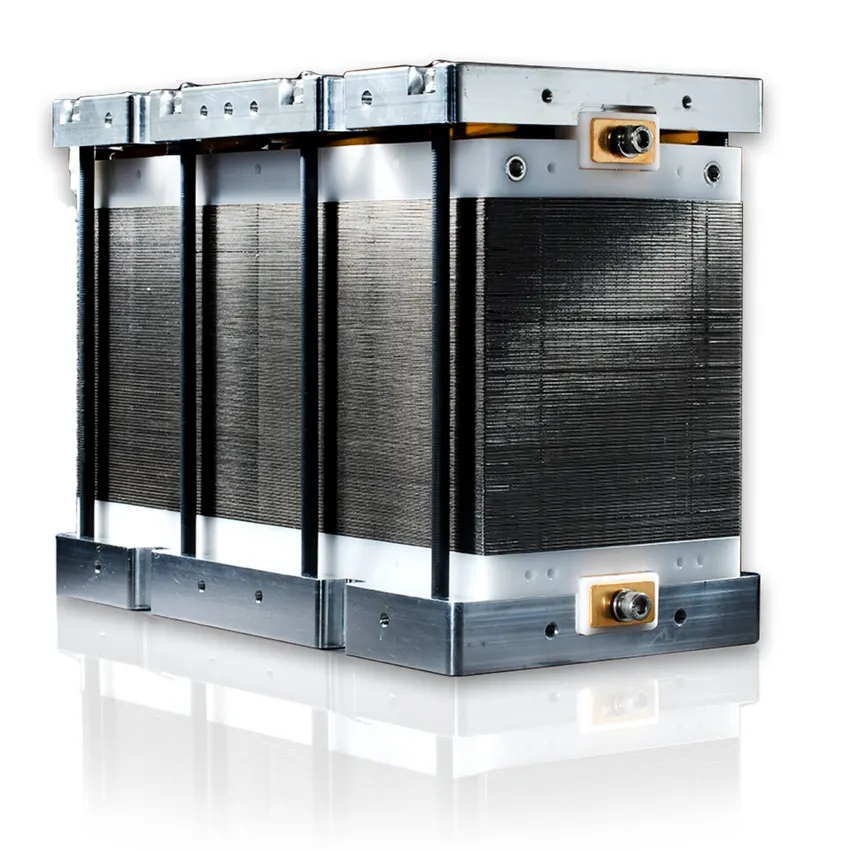
PEM (proton exchange membrane) stack
advantages
- Higher efficiency compared to IC engine
- Zero emissions at the point of use
- No moving parts in the stack, so quieter
challenges facing fuel cells
- cost ( materials, labor, economy of scale)
- Durability (membrane, catalyst)
- Lack of H2 Infrastructure : H2 is difficult to produce, transport, and store
Why Challenges Matter?
1. Material Durability
Catalyst, membrane, supports, seals, and, metallic components degrade under electrochemical, thermal, and mechanical stress.
2. System Design
Stack architecture, water/thermal control, balance-of-plant, packaging, cost, and controls must be integrated as one system.
3. Safety Management
Hydrogen storage,
Core stack functions
convert h2 and o2 to electricity heat and water
maintain gas diffusion and ionic/electronic conduction
prevent crossover while keeping low resistance
Balance of plant
hydrogen supply and pressure regulation
air compressor/blower and humidification
cooling loop, sensors, power electronics controls
Material Challenges
1. Catalyst Layer
pt loading and durability remain critical, dissolution agglomeration poisoning and poor utilization reduce activity.
2. Membrane and Ionomer
radical attack, pinhole formation, swelling